Solar Cycle 25 Peak Activity Active

Pinpoint the Greatest Northern Lights on Earth.

High-precision astronomical guides, validated dark-sky coordinates, cloud-cover telemetry, and tactical expedition planning across the Arctic Auroral Oval.
Auroral Oval Telemetry FEED LIVE
4.6
G1 Minor Geomagnetic Storm
Auroral ring expanding down to 64°N
Solar Wind Speed
482.4 km/s
IMF Bz Component
-5.8 nT (Southward)
Hemispheric Power
48 GW (Moderate)
Optimal Viewing Window
21:30 - 02:45 Local

Top Northern Lights Havens

Each destination offers distinct microclimates, geomagnetic positioning, and infrastructure for night sky viewing.

View All 6 Hotspots →
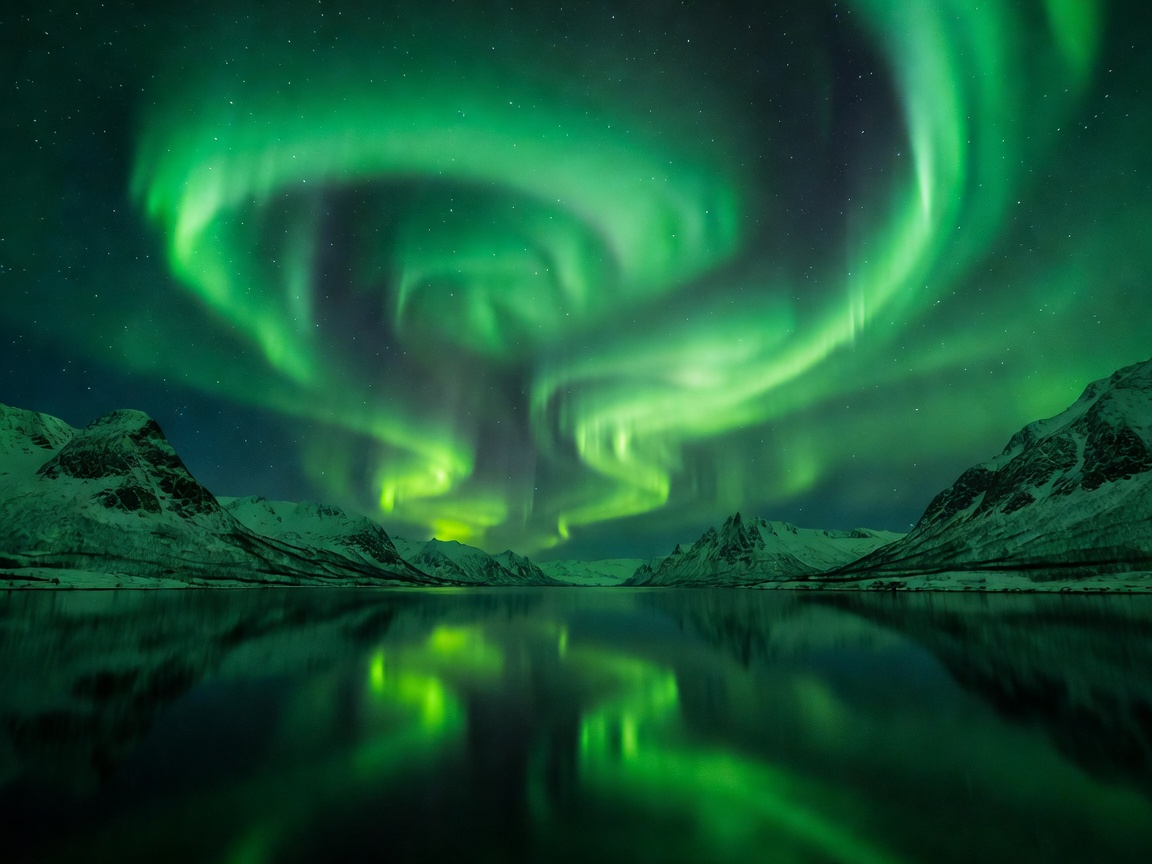
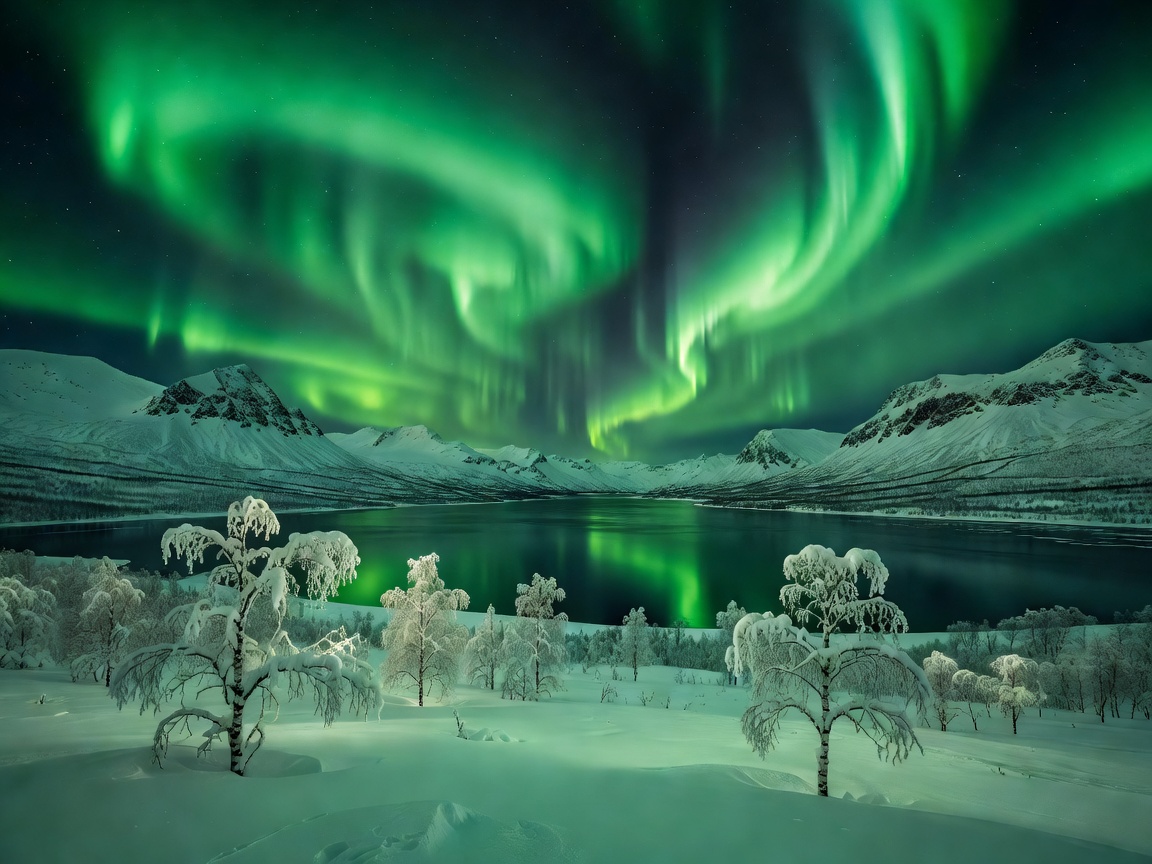
Vibrant green Aurora Borealis dancing over snow-capped Norwegian fjords in Tromso Fjord Microclimate
Norway • 69.64° N

Tromsø Fjord Coast

The Arctic Gateway. Exceptional infrastructure, mild maritime temperatures, and quick access to dry inland valleys when coastal skies cloud over.

Peak SeasonSep – Early Apr
Sight Chance88% (3+ nights)
Dramatic northern lights glowing over Tornetrask lake and snow in Abisko Sweden Blue Hole Climate
Sweden • 68.35° N

Abisko National Park

World-renowned for the 'Blue Hole' rain shadow phenomenon, producing cloudless skies even when nearby Scandinavian sectors remain overcast.

Peak SeasonNov – Mar
Clear NightsHighest in Europe
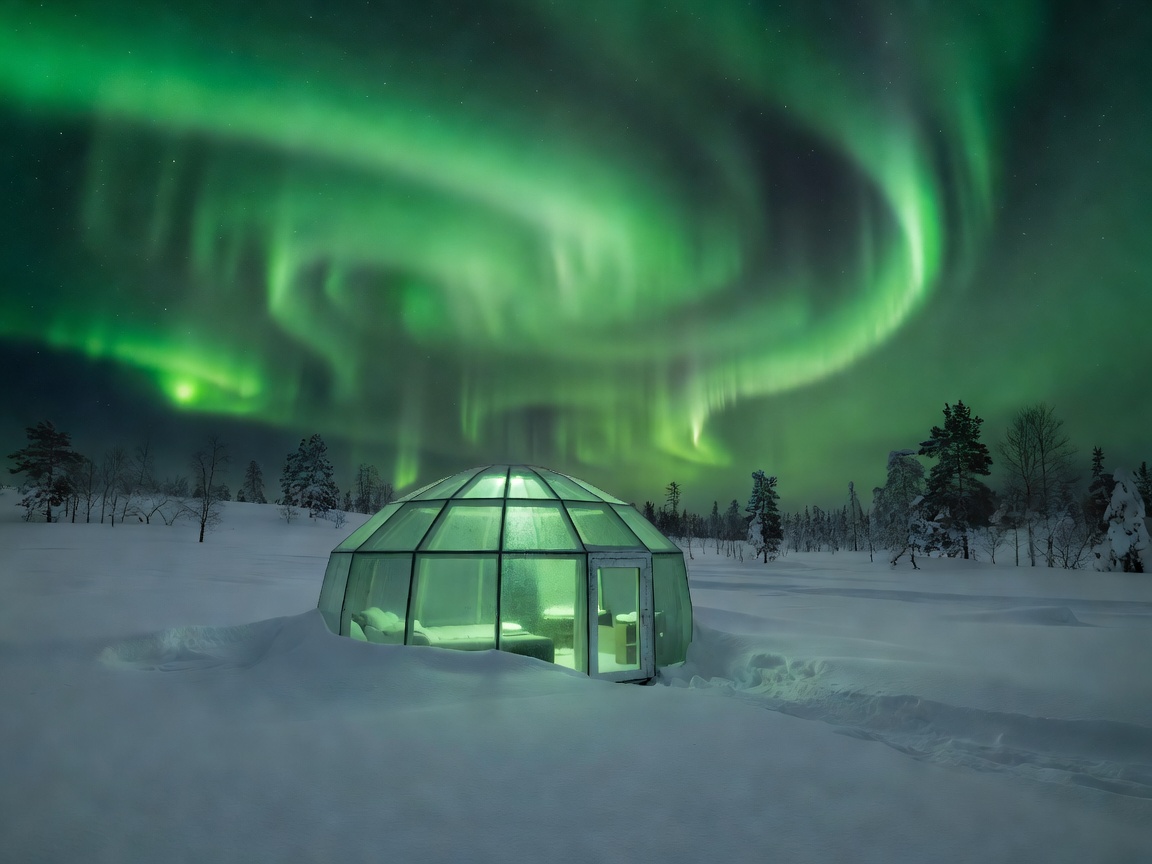
Glass igloos surrounded by snow-dusted pine trees under the emerald Aurora in Finnish Lapland Lapland Taiga
Finland • 66.50° N

Rovaniemi & Taiga Forest

The epicenter of wilderness luxury, featuring thermal glass igloos, frozen spruce forests, and calm geomagnetic latitude right on the Arctic Circle.

Peak SeasonLate Aug – Apr
AccommodationGlass Igloos & Domes

Aurora Mastery & Observation Manuals

Practical frameworks, photographic exposure tables, and solar physics blueprints to maximize your sighting success rate.

Professional camera on sturdy tripod pointed at bright green Aurora Borealis night sky Astrophotography

Mastering Manual Camera Settings for Aurora

Discover the essential ISO, aperture, focal length, shutter speed combinations, and lens warming tricks required to capture crisp curtains without motion blur.

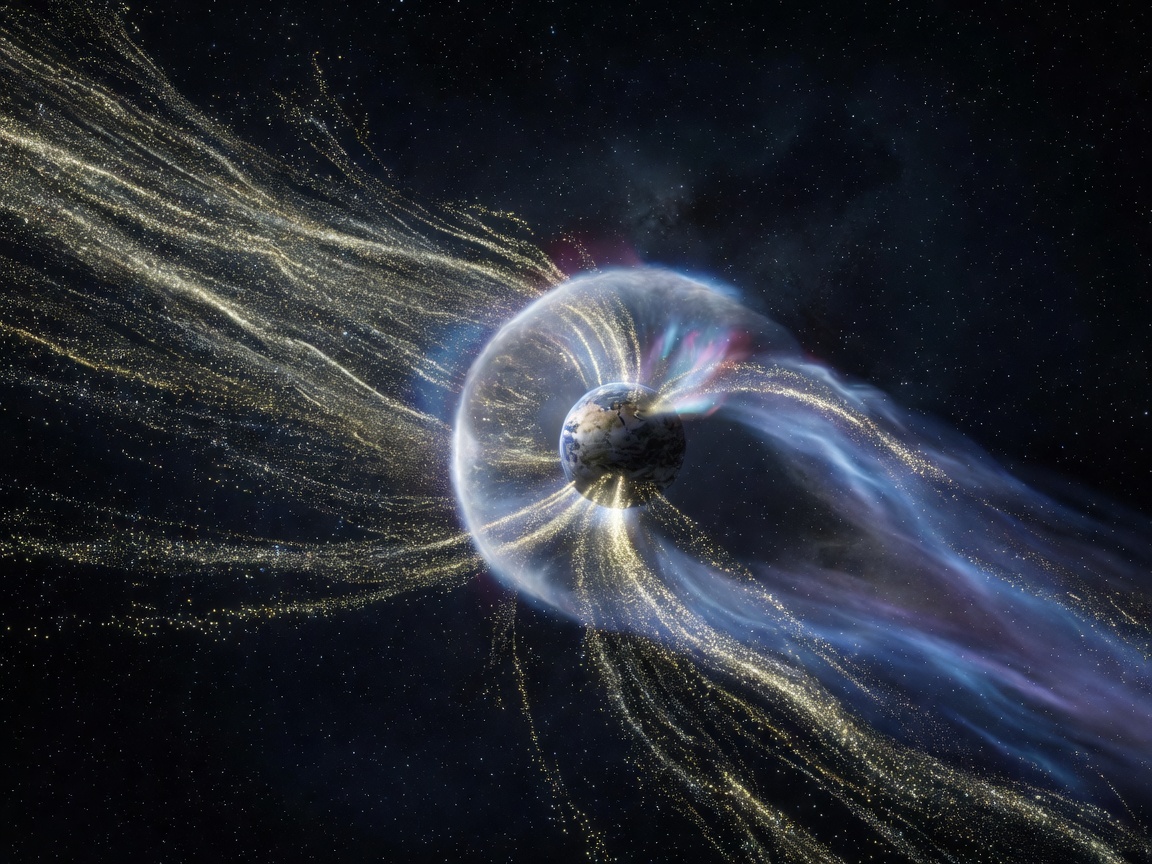
High-tech glowing digital visualization of planetary magnetic field lines and solar flare plasma Geomagnetic Science

Decoding Kp-Index, Solar Wind Speed & Bz Vector

Move beyond generic weather apps. Learn how to interpret interplanetary magnetic fields (IMF Bz), coronal mass ejections (CME), and plasma density like a meteorologist.

Arctic Viewing Matrix by Month

Key factors determining visibility: darkness hours, cloud cover averages, and seasonal equinox magnetic coupling.

Season Months Darkness Hours Solar Advantage Conditions & Suitability
Autumn Equinox Late Aug – Oct 7 – 12 Hours Russell-McPherron Effect (High Magnetic Coupling) Mild temperatures, no snow reflection, open water mirror reflections.
Deep Polar Night Nov – Jan 18 – 24 Hours All-Day Observation Windows Extreme cold, pristine white snowscapes, heavy winter storm cycles.
Spring Equinox Feb – Early Apr 9 – 14 Hours High Solar Storm Frequency + Stable Skies Crisp clear high-pressure weather fronts, optimal snowmobile access.